Independent termite advice for homeowners
Termites, explained by someone who isn't selling you anything
Found wings on the windowsill? Got a quote that seems high? Buying a house with "evidence of infestation" in the report? Start here. We don't sell pest control, so we can tell you when you don't need it.
Free tool
Where termites hit hardest
Darker states carry heavier termite pressure. Tap a state to see which termites live there, when they swarm, and the rules for inspections.
- None to slight
- Slight to moderate
- Moderate to heavy
- Very heavy
Free tools
Answer it in thirty seconds
- Termite Swarm Season Calendar by State Choose your state and get its termites, their swarm months and the time of day each one flies. Ten seconds, no sign-up. Open →
- Is a Termite Bond Worth It? Calculator A termite bond is a bet: you pay every year in case termites come back. This calculator won't guess your odds. It tells… Open →
- Termite or Flying Ant? The 30-Second Quiz Winged bugs by the window and a sinking feeling? Look at one closely, answer four questions, and know in thirty seconds. Open →
- Termite Treatment Cost Estimator Enter your foundation length or square footage, choose a treatment, and get a price range built from published 2026 pri… Open →
Guides
From "is that a termite?" to "is this bond worth it?"
- Identify Is it termites, and if so, which kind? That one answer decides everything else: where to look, how to treat, … 21 guides
- Inspect Two kinds of termite inspection matter: the one you do yourself every spring, and the one a licensed inspecto… 13 guides
- Treat The right treatment depends on which termite you have, where it lives, and how your house is built. Here's ev… 22 guides
- Prevent Termites need three things from your house: moisture, wood, and a hidden way in. Take any one away and you've… 10 guides
- Costs The price on a termite quote is only half the story. The contract, the warranty and the yearly renewal decide… 14 guides
- Laws Termites come with paperwork. Here are the rules that matter when you buy, sell, build, or hire someone to tr… 10 guides
Fresh
Latest guides
-
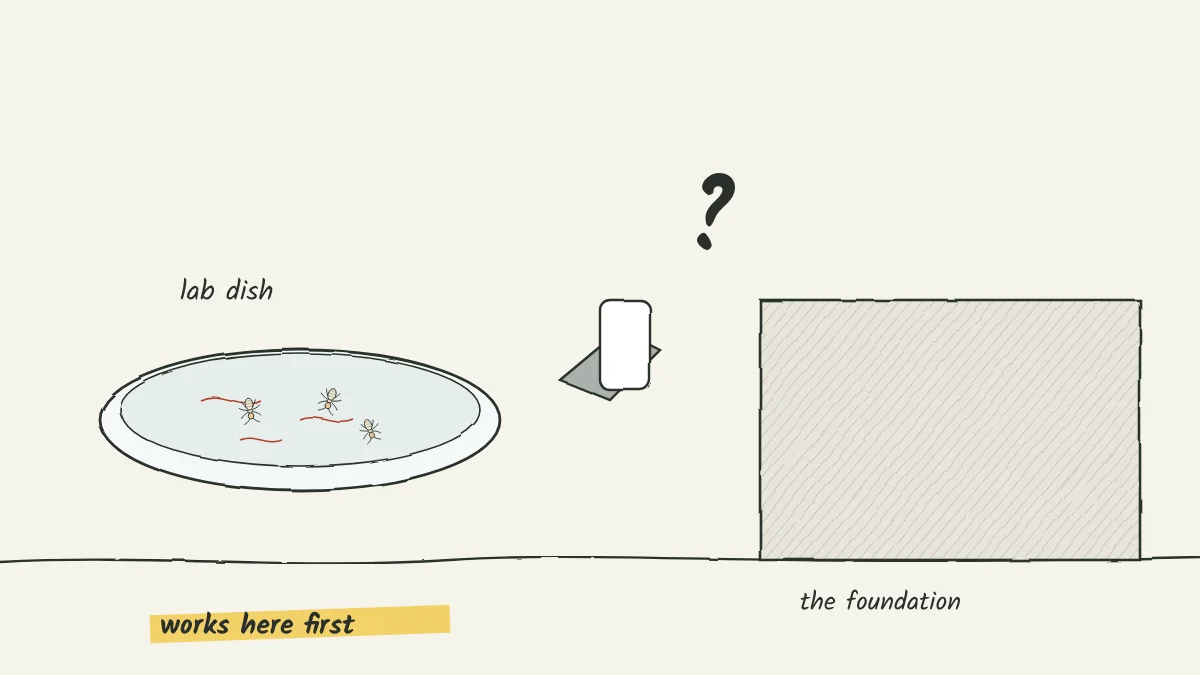 Beneficial Nematodes for Termites: Hype or Help?
Beneficial nematodes are microscopic worms sold as a natural way to kill soil insects, and termites are often on the list. In a l…
-
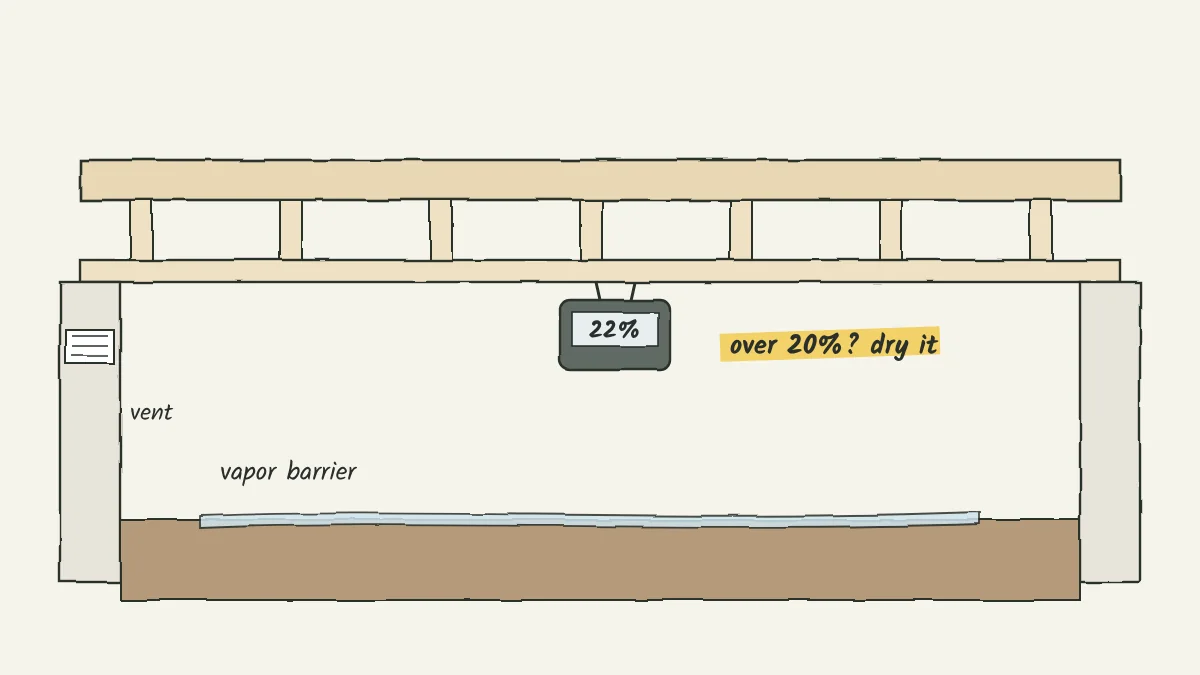 Crawlspace Moisture and Termites
A damp crawlspace is the closest thing to a termite welcome mat. The soil stays moist, the wood stays soft, and nobody looks down…
-
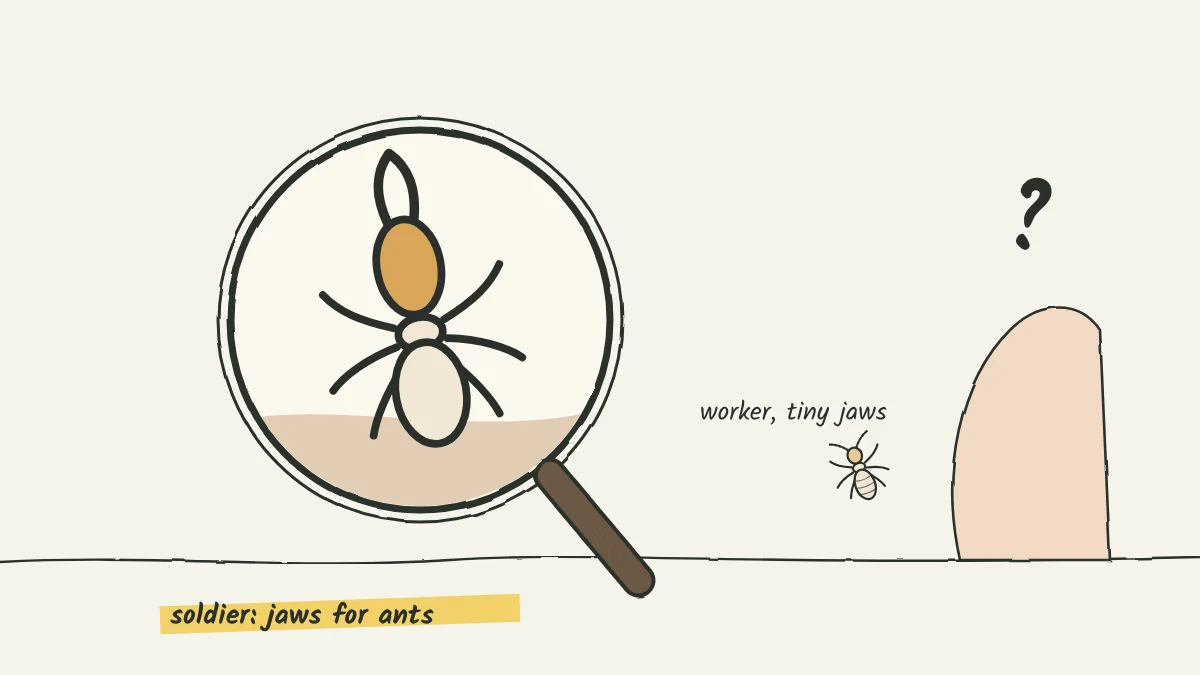 Do Termites Bite People or Pets?
Finding termites in your house is alarming enough without wondering whether they'll bite you in your sleep. They won't. Termites …
-
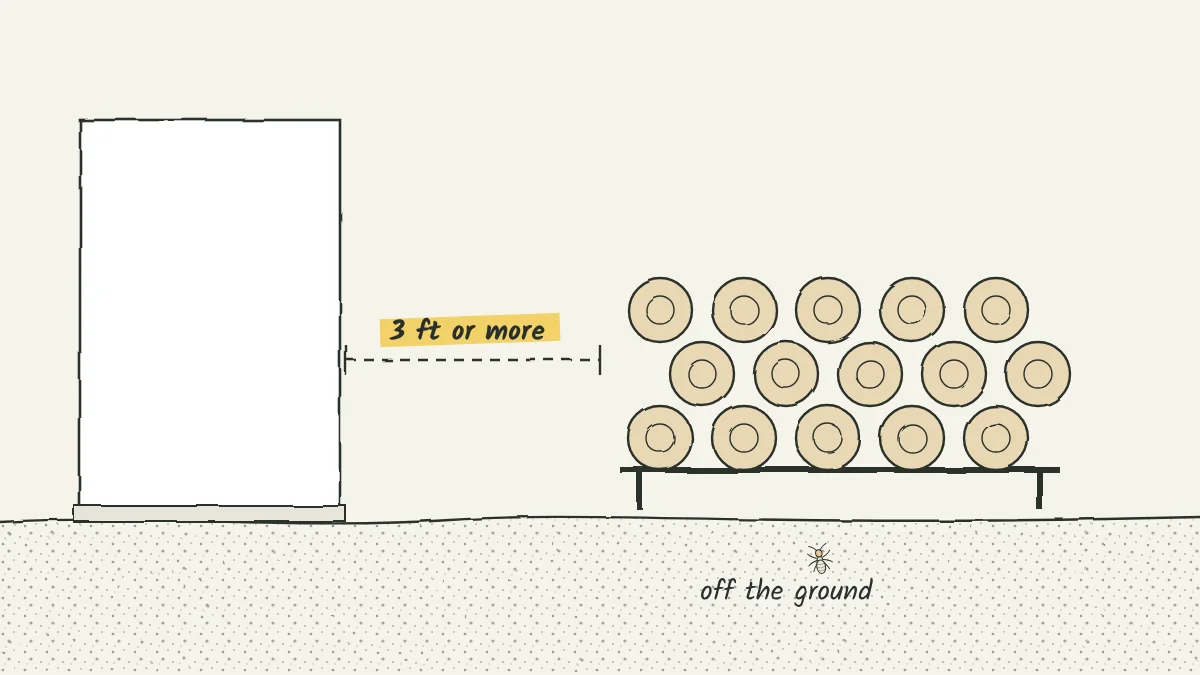 Firewood and Termites: How to Store It Safely
A woodpile is a termite buffet with a roof. That's mostly a problem for the woodpile, unless it's stacked against the house, wher…
-
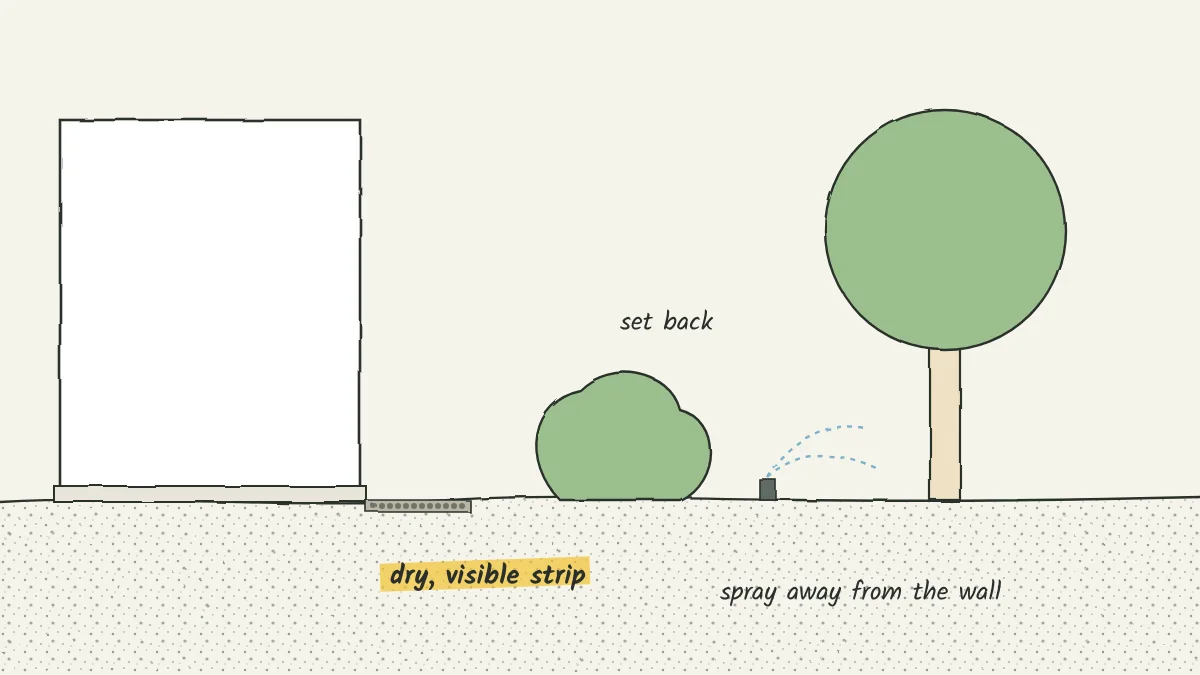 Landscaping That Keeps Termites Away From Your House
The strip of yard right against your house does more termite work than anything you'll ever spray. Planted and watered one way, i…
-
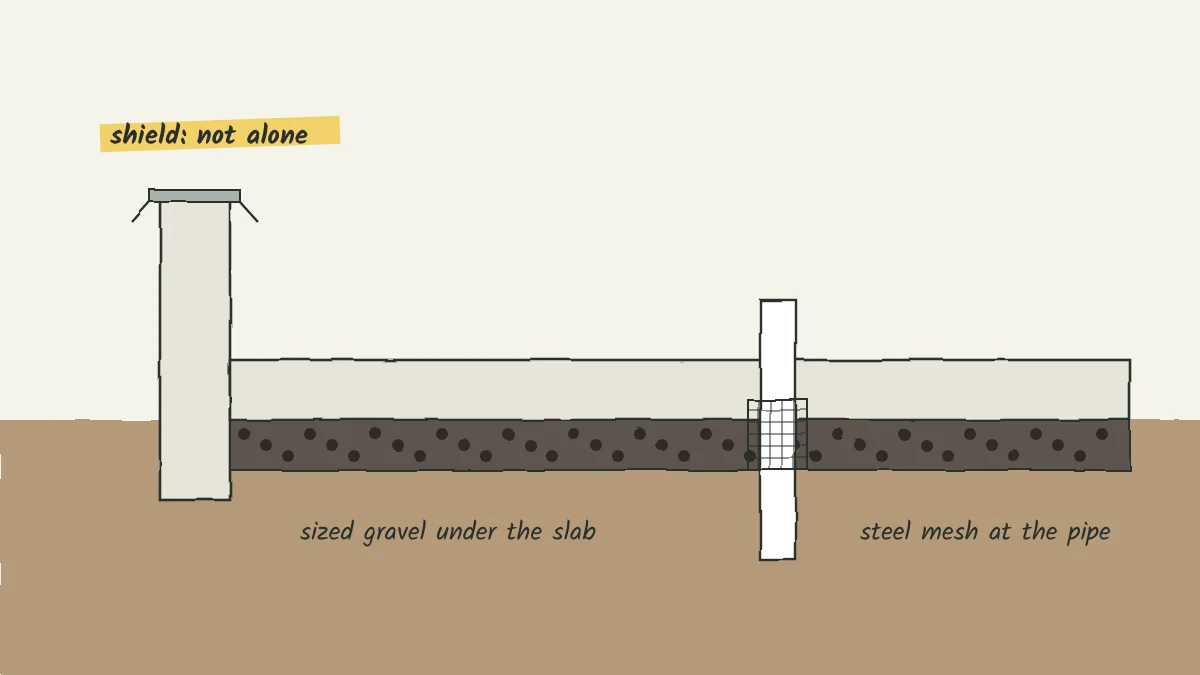 Physical Termite Barriers: Mesh, Sand and Shields
Most termite protection is chemical: a treated zone of soil or a bait. Physical barriers take a different approach. They put some…
Why this site exists
Most termite advice online is written by companies that want to sell you a treatment. Some of it is good. All of it ends with "call us for a free inspection".
This site is the other kind. Every guide is written to answer one question properly: what you're looking at, what it means, what it should cost, which rules apply where you live, and what you can do yourself. When the honest answer is "this isn't termites" or "you don't need the expensive option", that's what you'll read here.
The facts come from university extension services, the EPA, HUD and state agencies, and every guide lists its sources at the bottom. Prices are always ranges, and we tell you what moves them.
How the site is organized
Six topics cover almost every termite question: identifying termites, inspecting your house, treatment options, prevention, costs and contracts, and laws and regulations.
Termites are a local problem, so every state with real termite pressure gets its own guide, and the biggest termite cities get theirs. Find yours on the termites by state map.
Questions people ask
Is this site run by a pest control company?
No. We don't sell treatments, inspections or products of our own. Some pages carry ads, local sponsors and affiliate links, which are always labeled, and none of them decide what a guide recommends.
Where should I start if I think I have termites?
Read how to inspect your house for termites, then compare what you found with the signs in termite identification. If it's winged bugs, the termite or flying ant quiz takes thirty seconds.
How do I know if termites are a problem where I live?
Check the termites by state map. It shades every state by termite pressure, using the federal termite infestation probability map that HUD and the building codes rely on, and links to each state's guide.