Termite Treatment
The right treatment depends on which termite you have, where it lives, and how your house is built. Here's every option, without the sales pitch.
Match the treatment to the termite
Subterranean termites come up from the soil, so they're treated at the soil line: a liquid barrier around the foundation, or a bait system that the colony feeds on.
Drywood termites live inside the wood and never touch the soil, so soil treatments do nothing for them. They're treated in the wood: locally when the colony is small and reachable, or by tenting or whole-house heat when it isn't.
The questions to settle first
Before choosing, ask how long the treatment protects (see how long termite treatment lasts), how safe it is around kids, pets and water (see how safe is Termidor), and what it costs over ten years, not just the first year (see how termite prices work).
Guides in this section
-
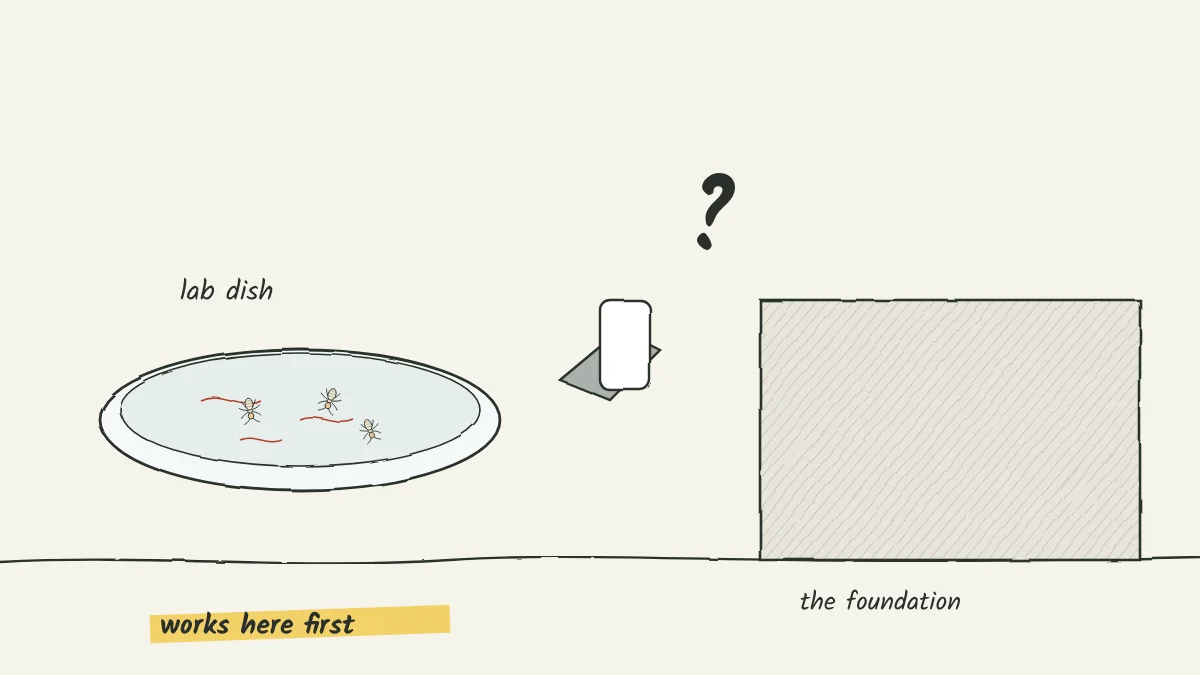 Beneficial Nematodes for Termites: Hype or Help?
Beneficial nematodes are microscopic worms sold as a natural way to kill soil insects, and termites are often on the list. In a lab dish, t…
-
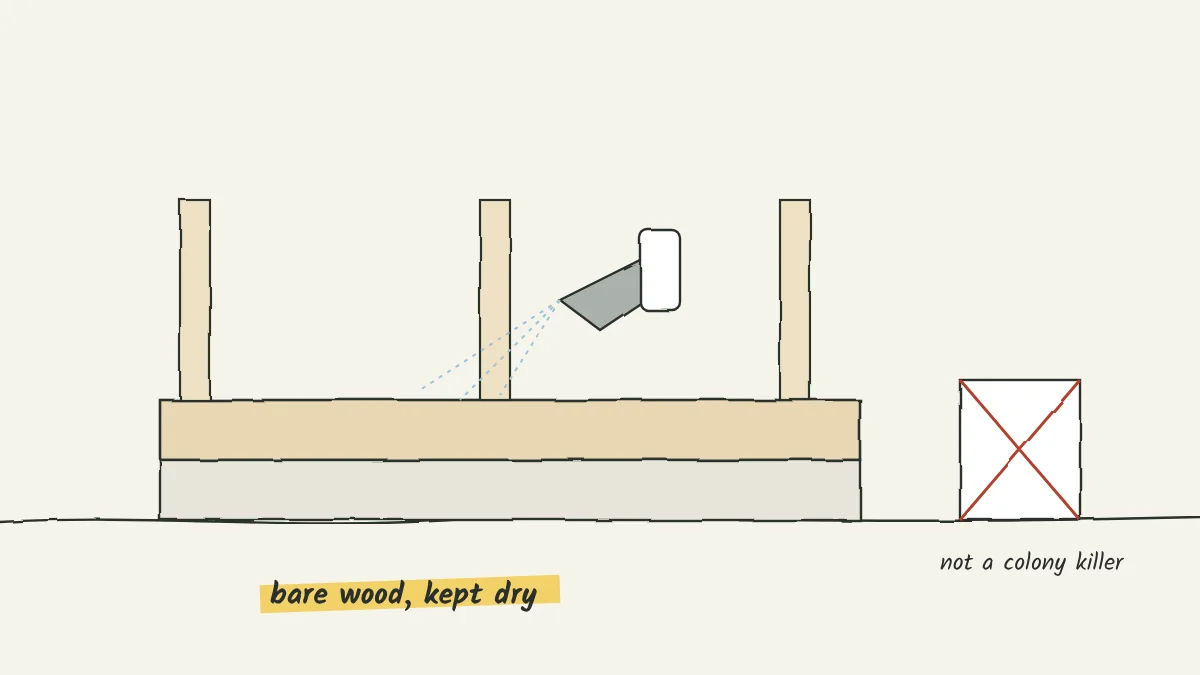 Boric Acid for Termites: Does It Work?
Boric acid kills termites. That part is true. Whether it will stop the termites in your house depends almost entirely on where it goes: soa…
-
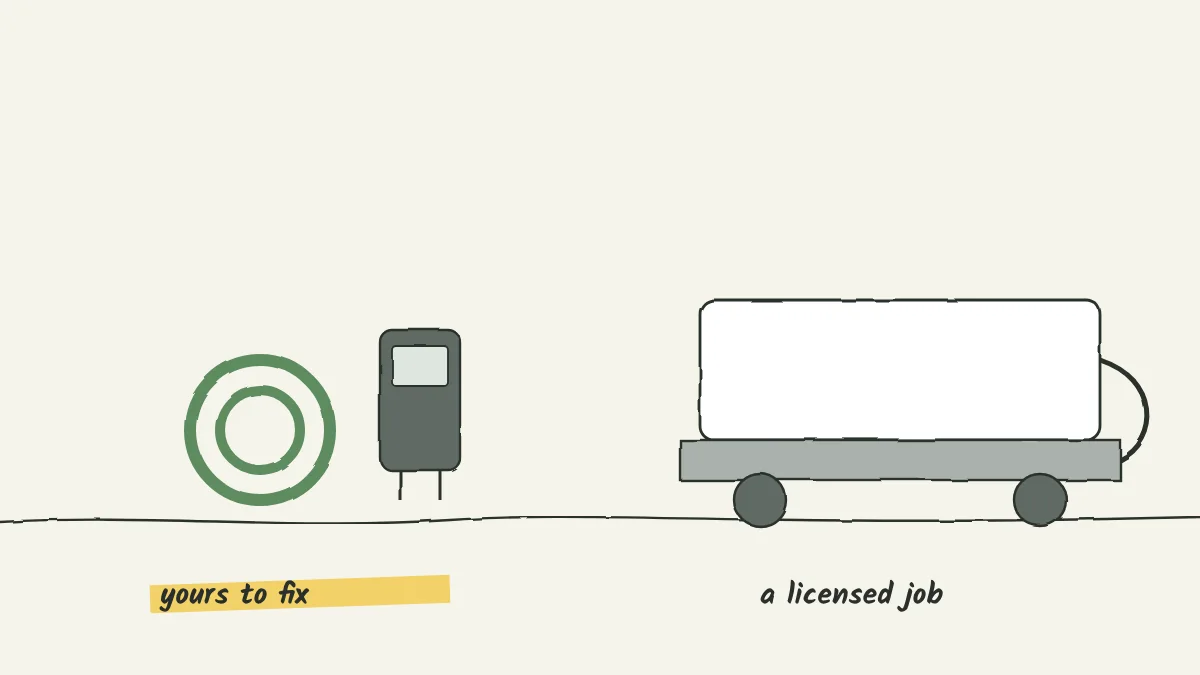 DIY Termite Treatment: What Works and What Doesn't
You can do a lot about termites yourself. Treating an active colony under a house usually isn't one of them. The line between the two is cl…
-
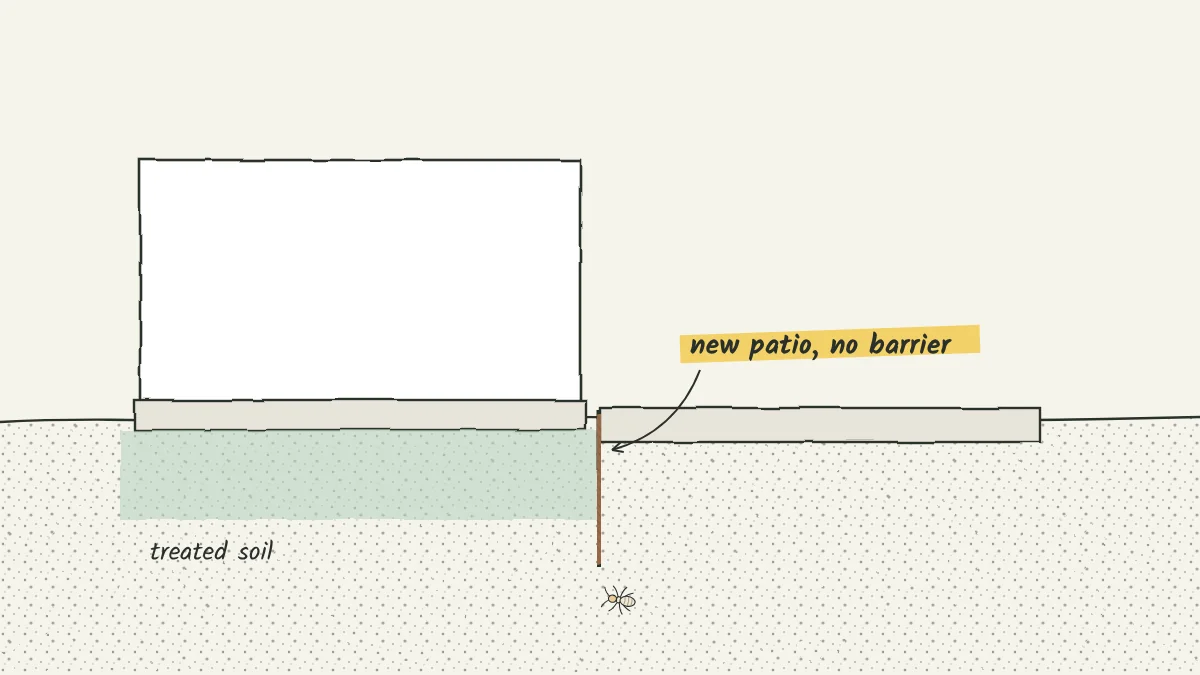 Do Termites Come Back After Treatment?
A termite treatment kills termites and protects the house for a while. It doesn't make the house permanently termite-proof, because the soi…
-
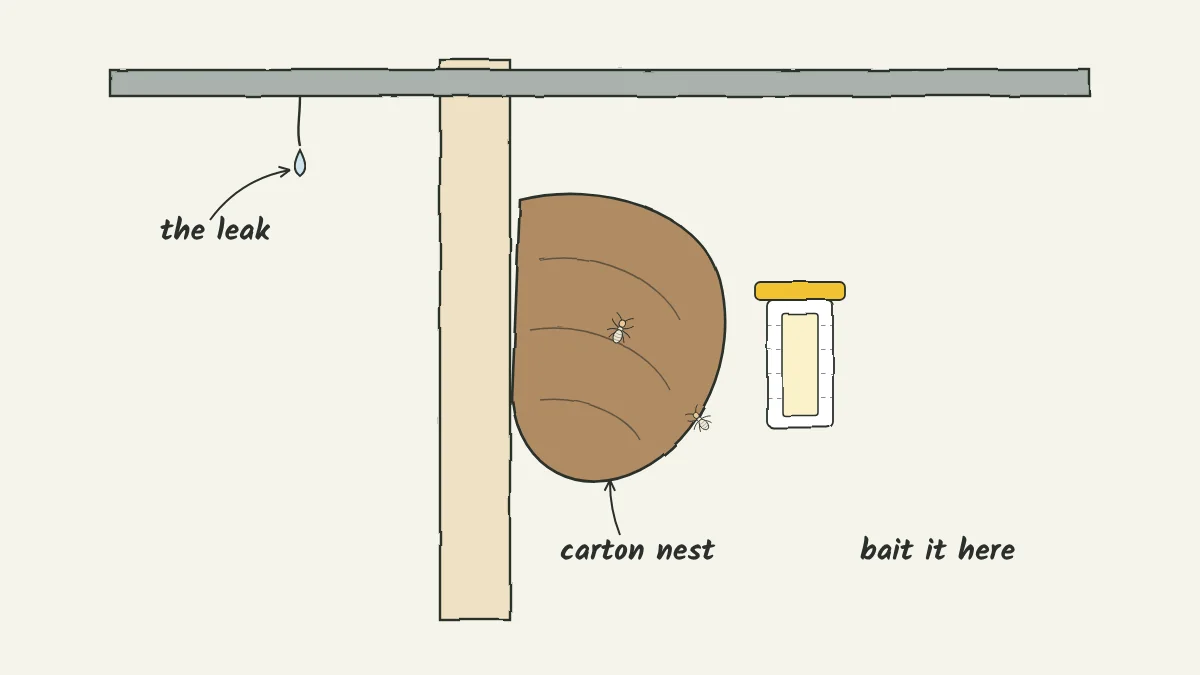 Formosan Termite Treatment: What Works on Big Colonies
A Formosan colony can number in the millions, forage across a city block and nest in your attic with no soil in sight. Treatment that works…
-
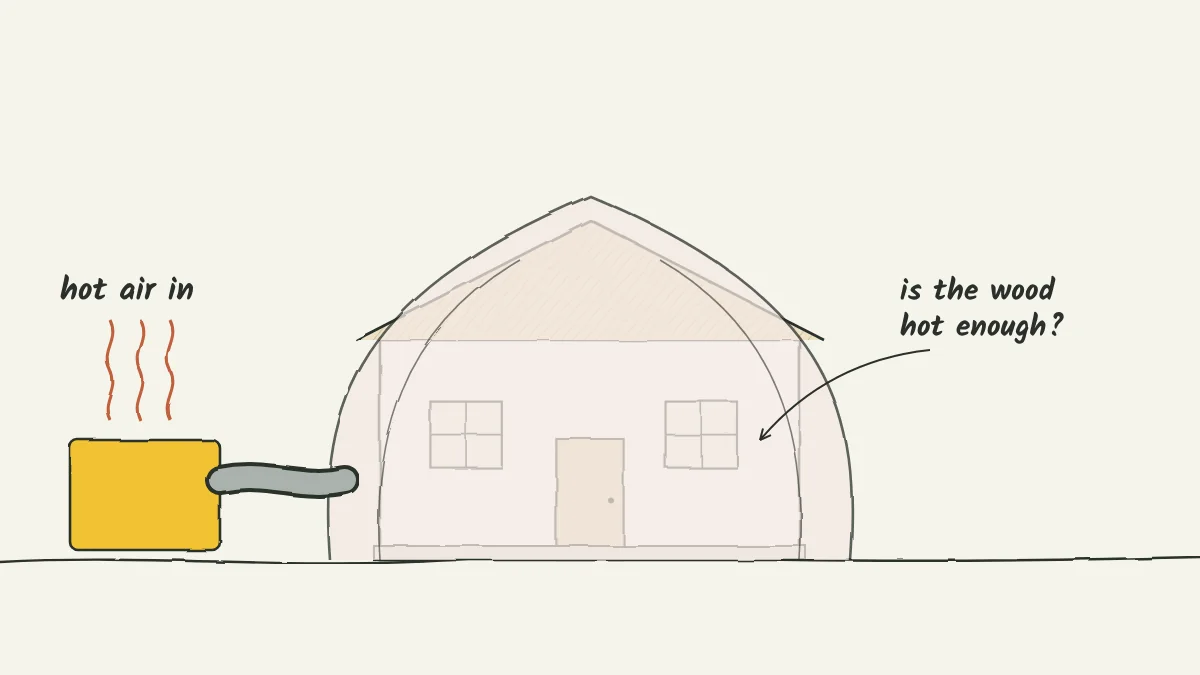 Heat Treatment for Termites: Pros, Cons, Cost
Heat treatment kills drywood termites with nothing but hot air: no gas, no residue, no days in a motel. It works when every board gets hot …
-
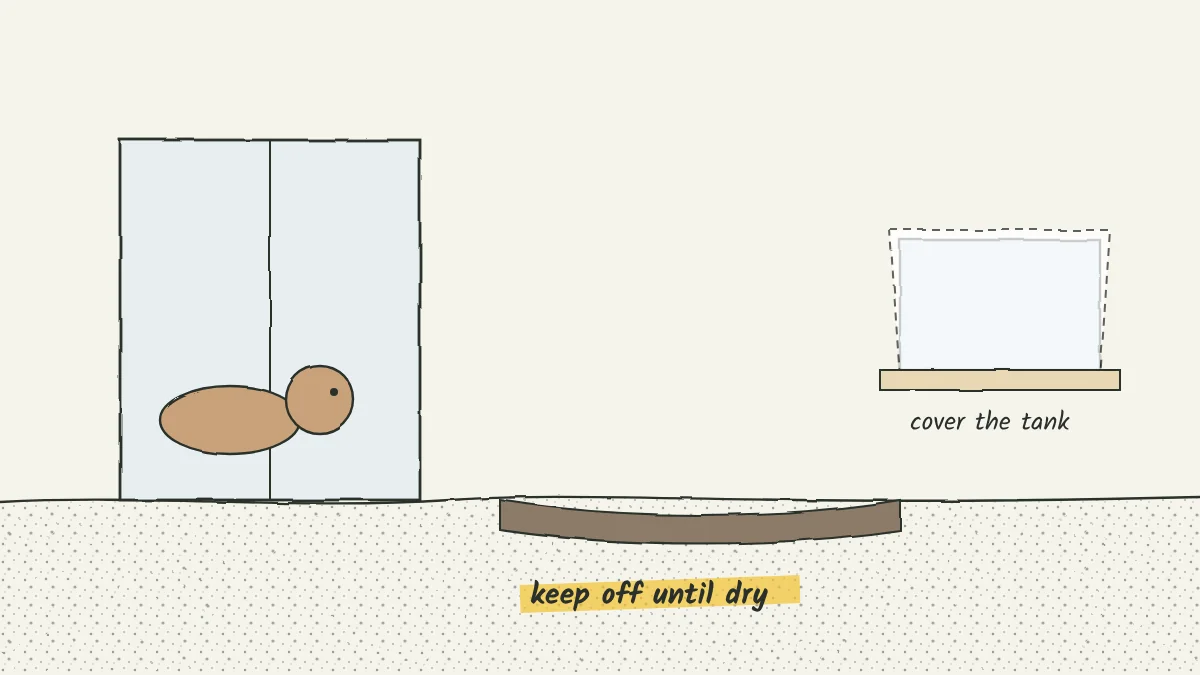 Is Termite Treatment Safe for Pets and Kids?
Most termite treatments go into soil, inside wood or into sealed stations, which keeps them away from the places pets and children spend th…
-
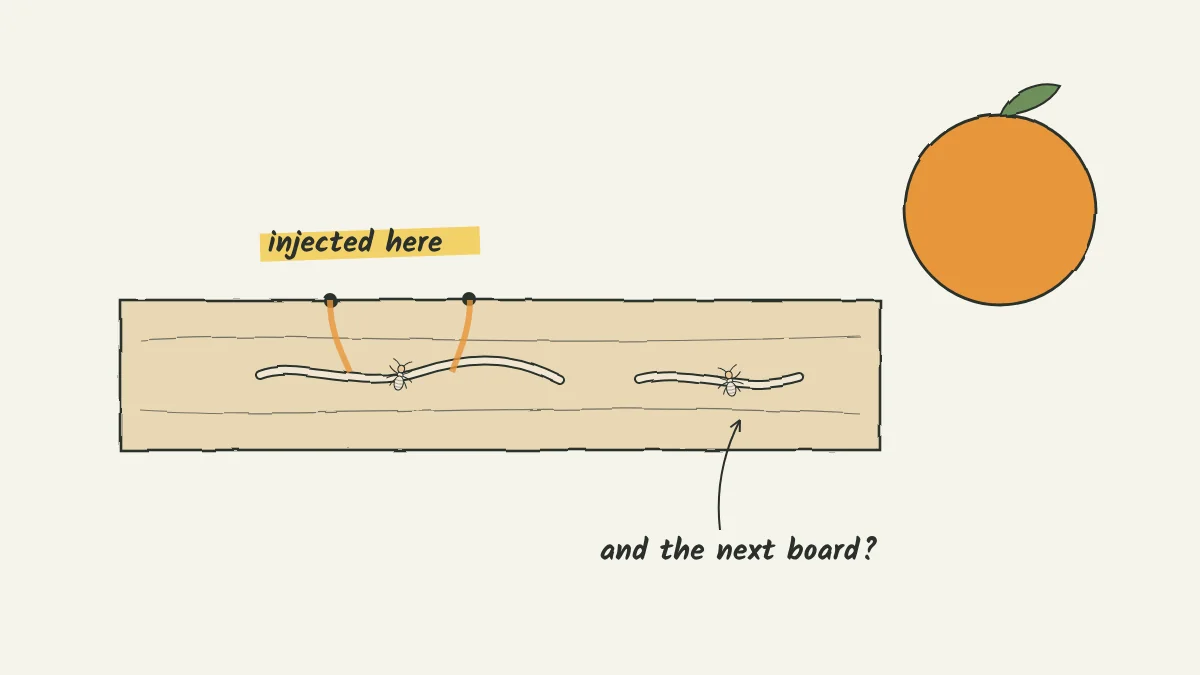 Orange Oil Termite Treatment: Honest Results
Orange oil is the termite treatment with the best reputation at dinner parties: natural, no tent, smells like a citrus grove. The research …
-
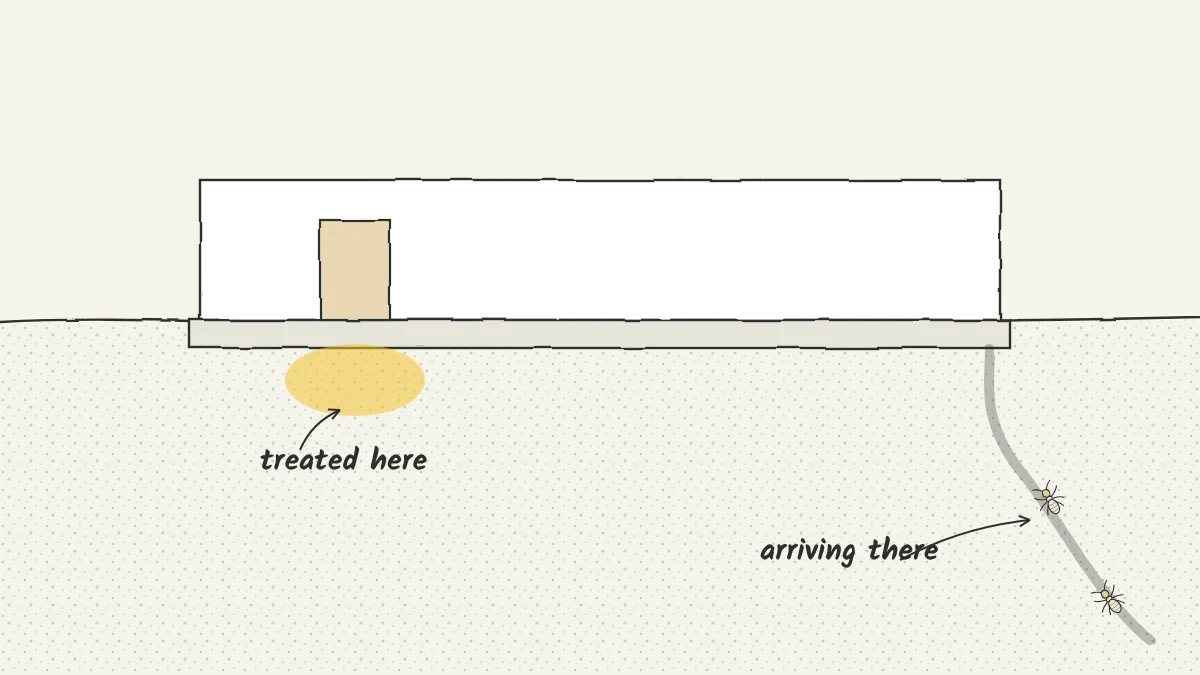 Spot Treatment for Termites: When It's Enough
A spot treatment costs a fraction of a whole-house job, which is exactly why it gets offered and exactly why it deserves a hard look. Somet…
-
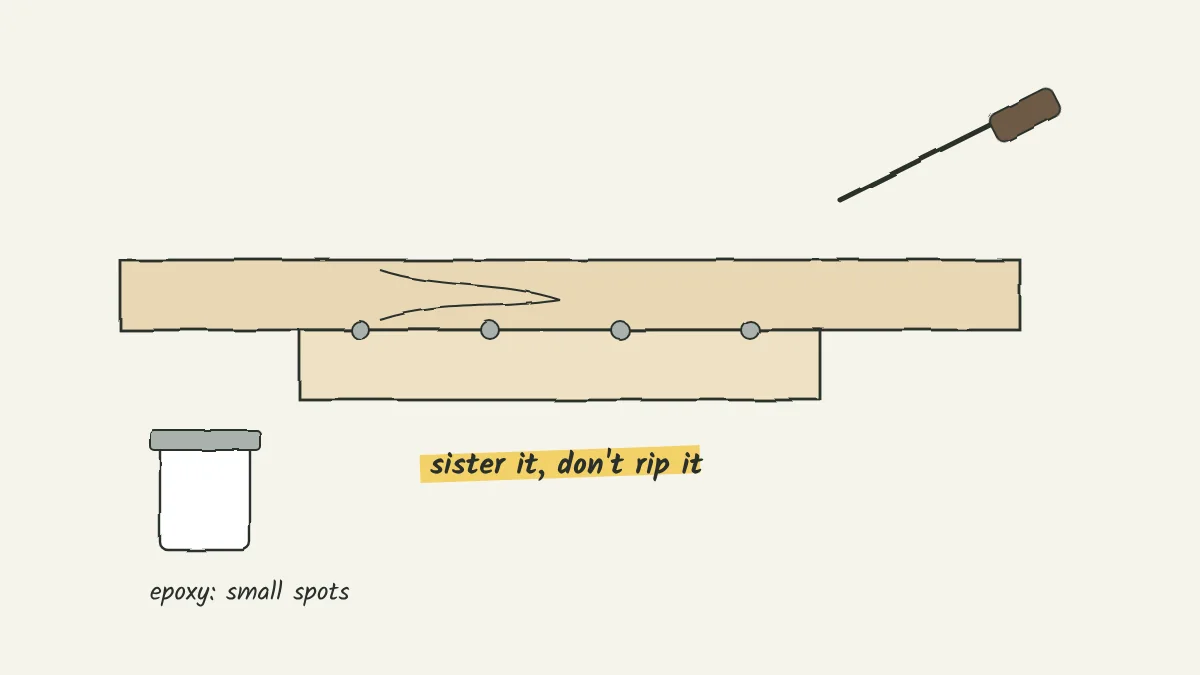 Termite Damage Repair: What Can Be Saved
Not every piece of termite-eaten wood has to come out. Some can be patched, some reinforced and some replaced in sections. The skill is tel…
-
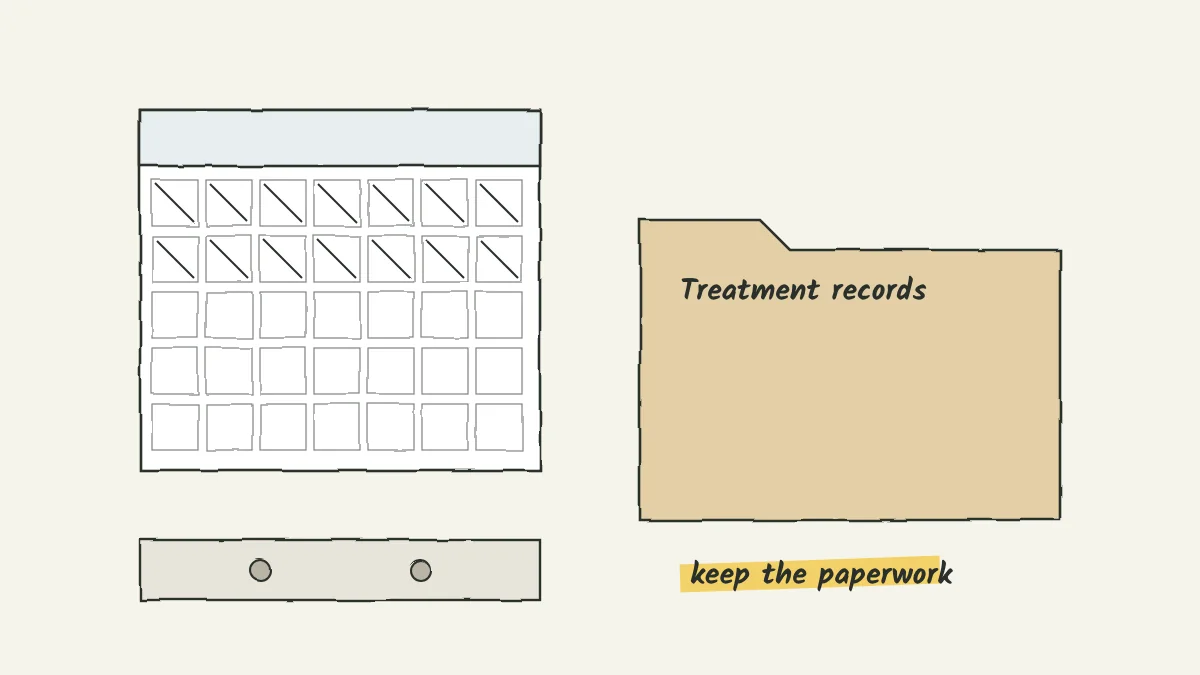 What to Expect After Termite Treatment
The truck pulls away, the holes in the patio are patched, and the house smells faintly of nothing much. Then what? Termite treatments work …
-
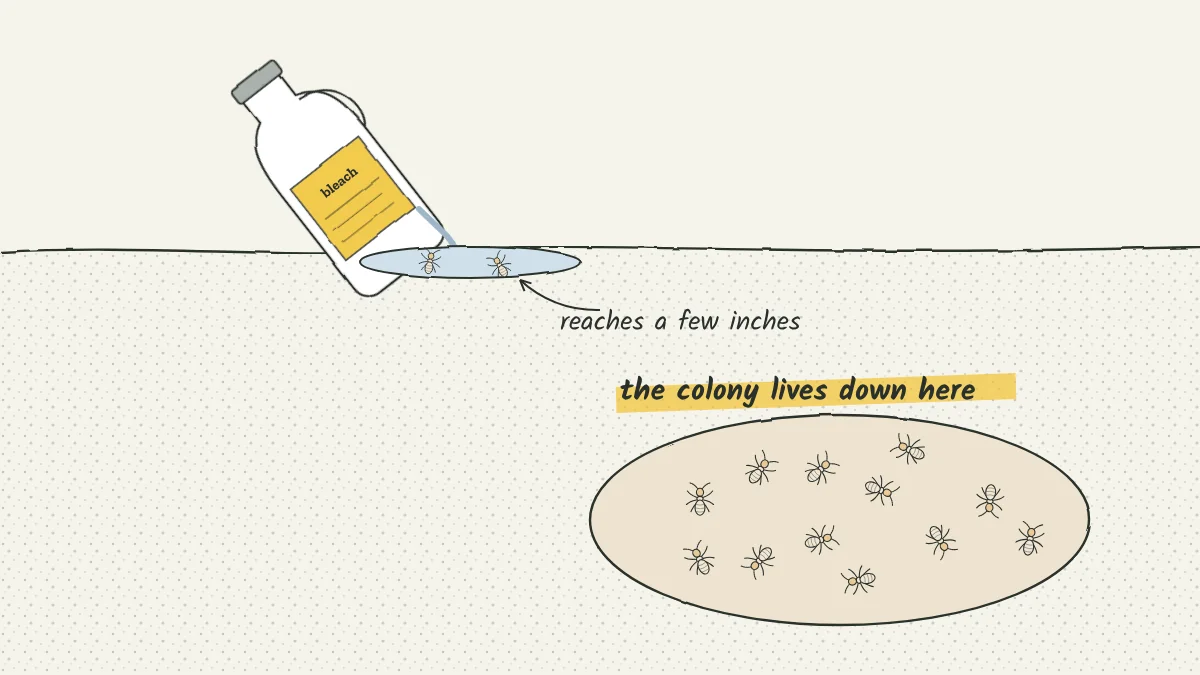 Does Bleach Kill Termites? (And What Works Instead)
Bleach will kill a termite you pour it on. The trouble is the other few hundred thousand you didn't. Here's why home remedies fail, and the…
-
 Drywood Termite Treatment: Local vs Whole-House
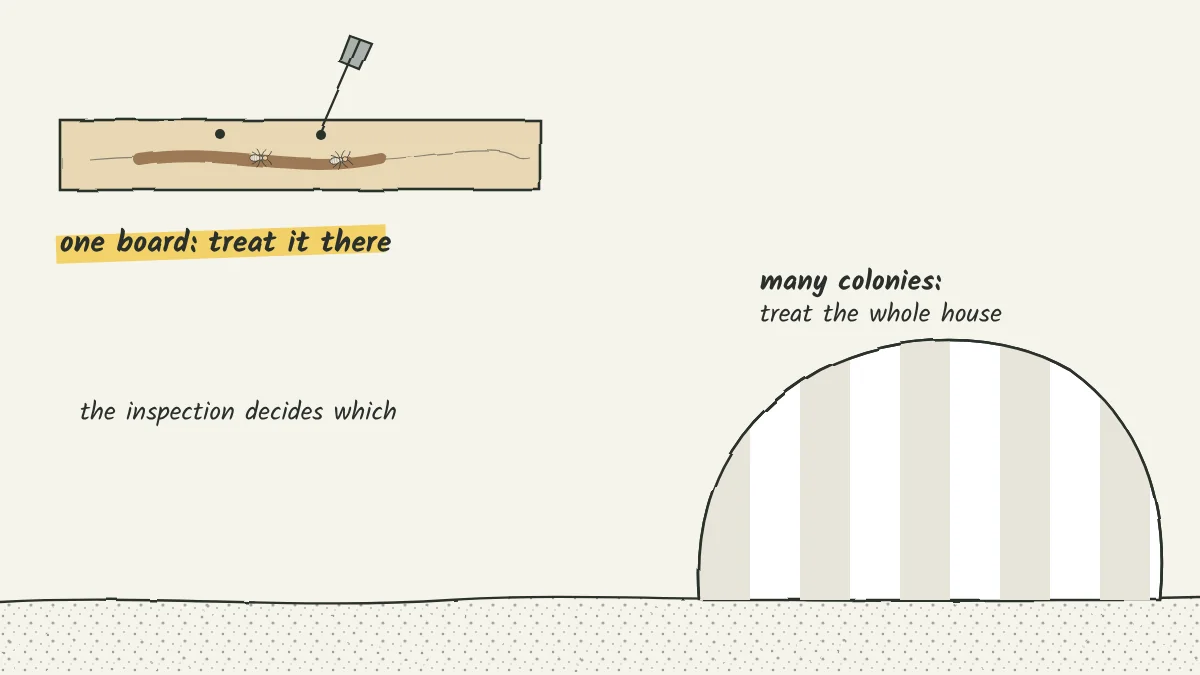
Drywood termite treatment comes down to one honest question: can every colony in the house be found and reached? If yes, a local treatment …
-
 How Long Does Termite Treatment Last?
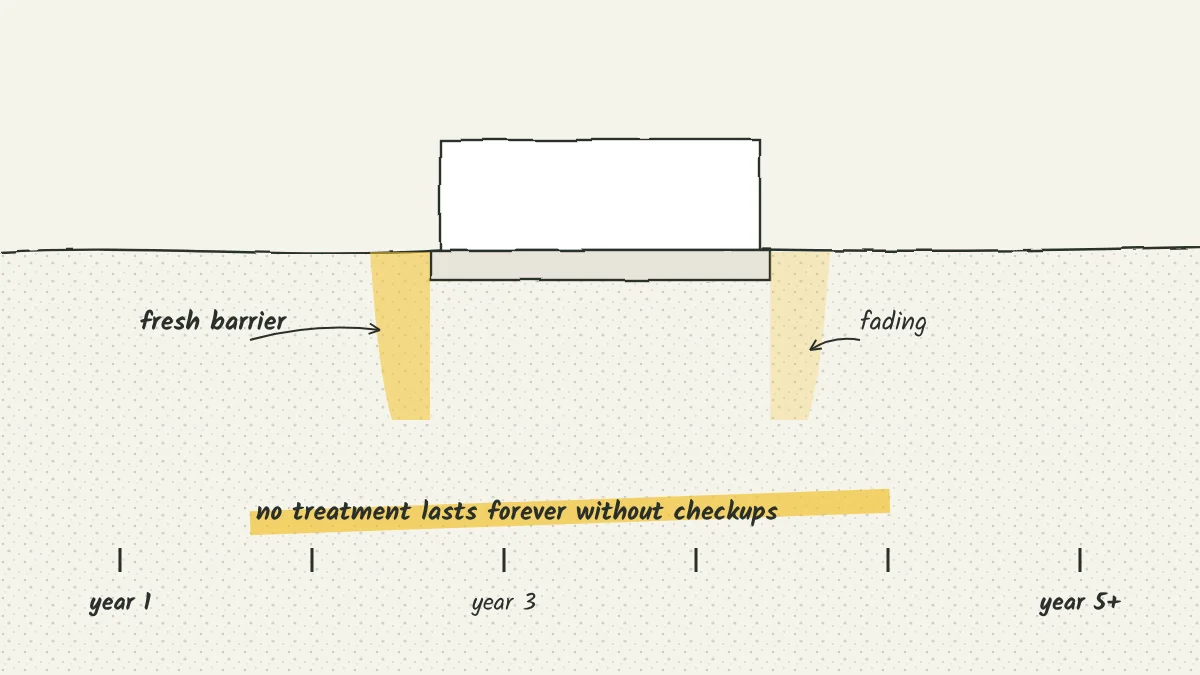
"Five years" is the number everyone quotes. Some treatments last longer, some protect for exactly one day, and a garden shovel can cut any …
-
 How Safe Is Termidor? Pets, Kids, Wells and Your Yard
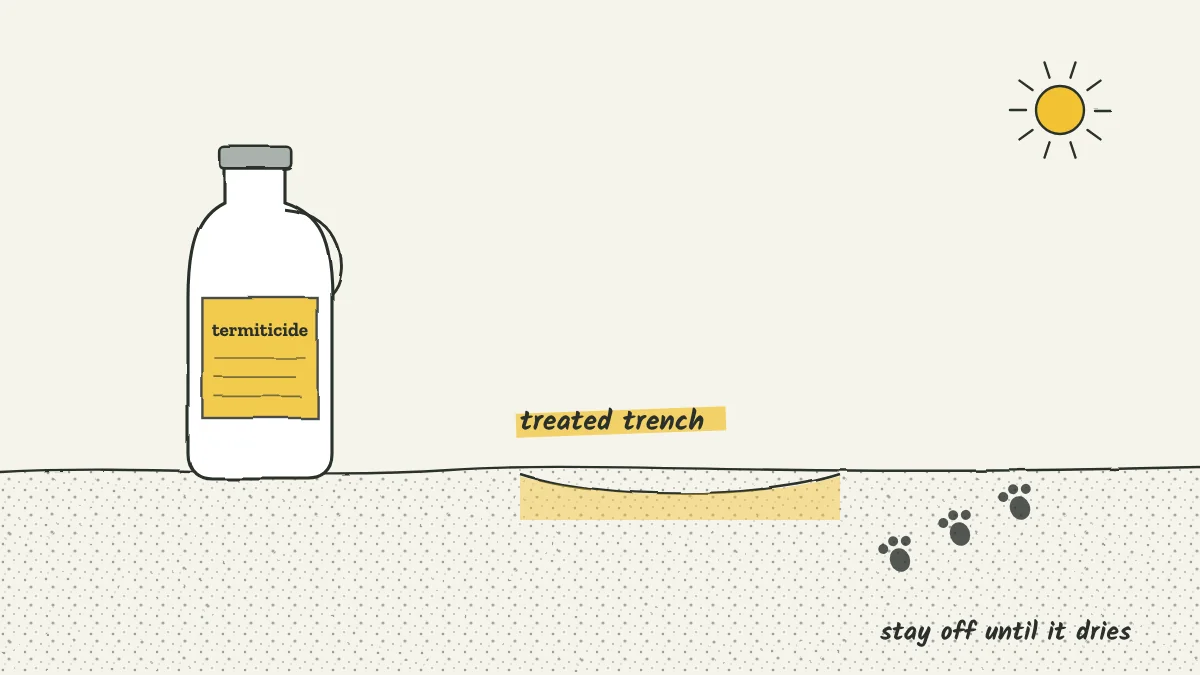
Termidor is one of the most common termite treatments in the country, and the active ingredient is the same one in some flea drops. Here's …
-
 How to Prepare for Termite Tenting: The Checklist
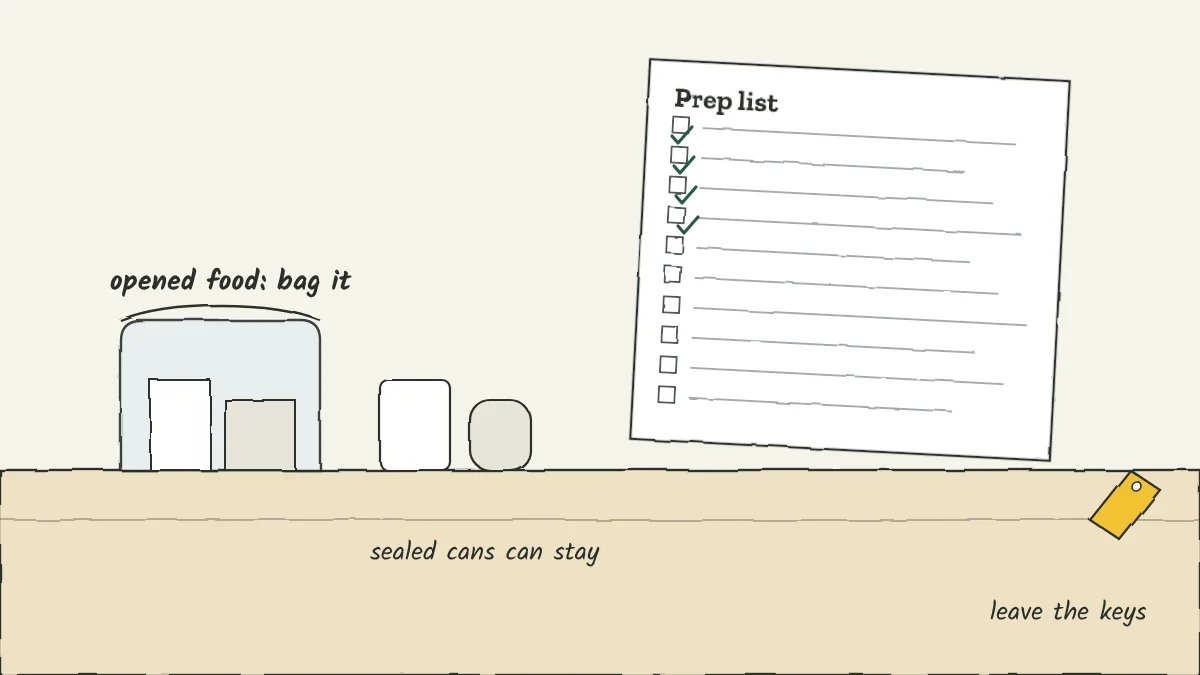
Most of tenting is out of your hands. The preparation isn't, and it's where the mistakes happen: a forgotten bag of dog food, a pilot light…
-
 Liquid Termite Treatment: How Soil Barriers Work
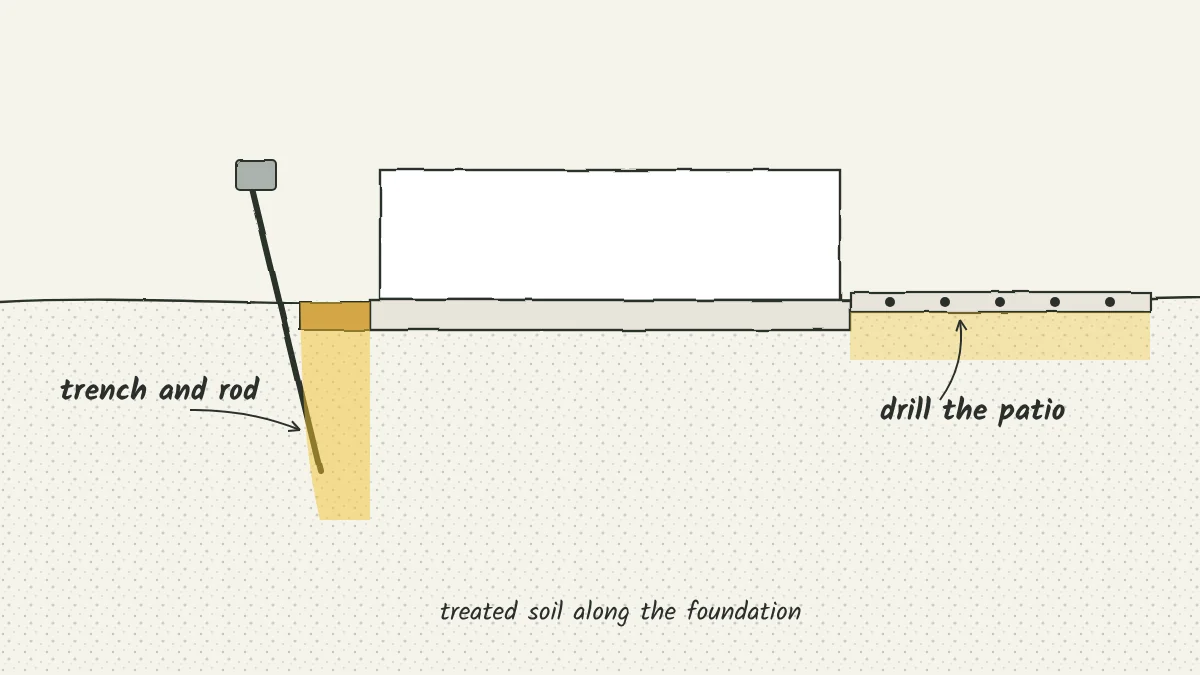
A liquid treatment is the termite job most houses get, and the one homeowners understand least: where the holes go, why the crew digs a tre…
-
 Sentricon vs Termidor: Bait or Liquid?
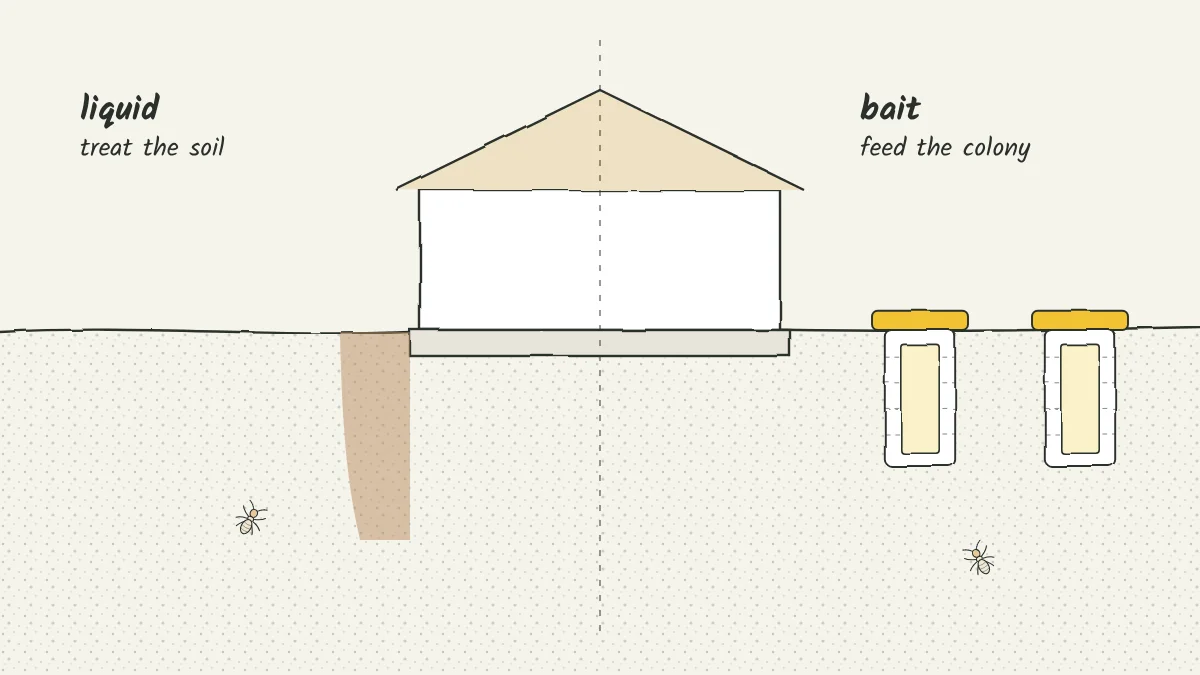
Two termite quotes, two famous names, and a salesperson for each who swears theirs is better. They're both good products that work in oppos…
-
 Termidor SC Review: What It Does and Who Should Use It
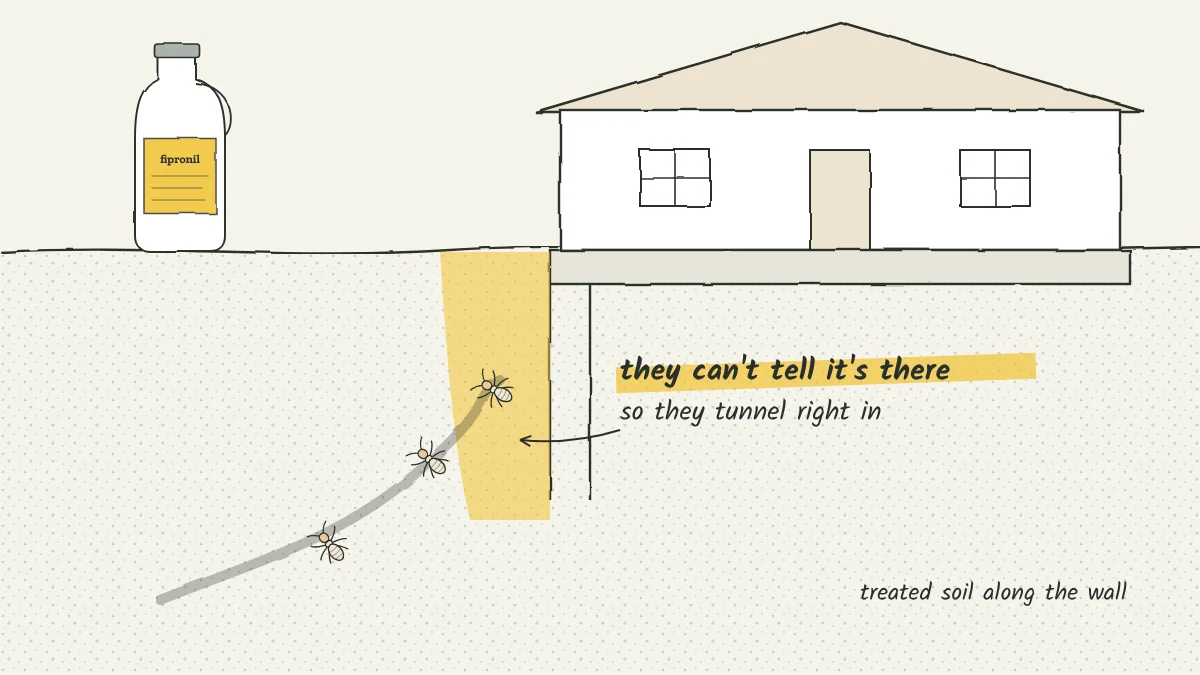
Termidor SC is the termite treatment you'll hear about most often, from neighbors and from quotes. It earns most of its reputation. The par…
-
 Termite Bait Stations: How They Work and When They Fail
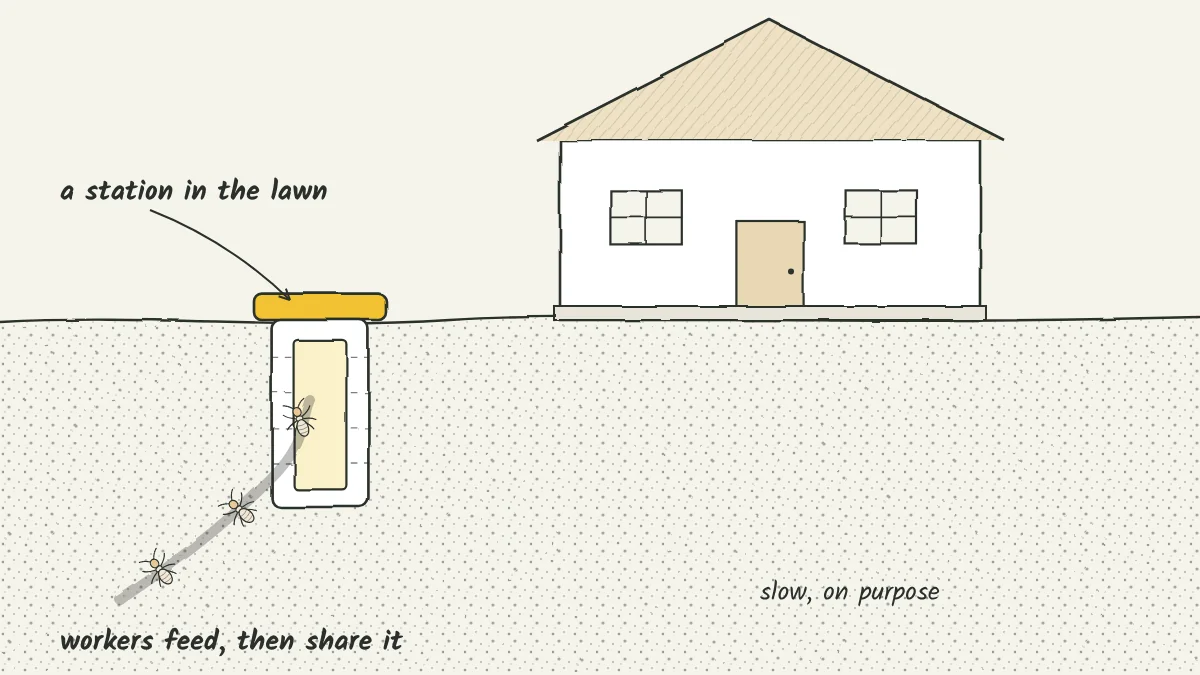
Bait stations don't build a wall around your house. They put food in the termites' path and let the colony poison itself, slowly. When the …
-
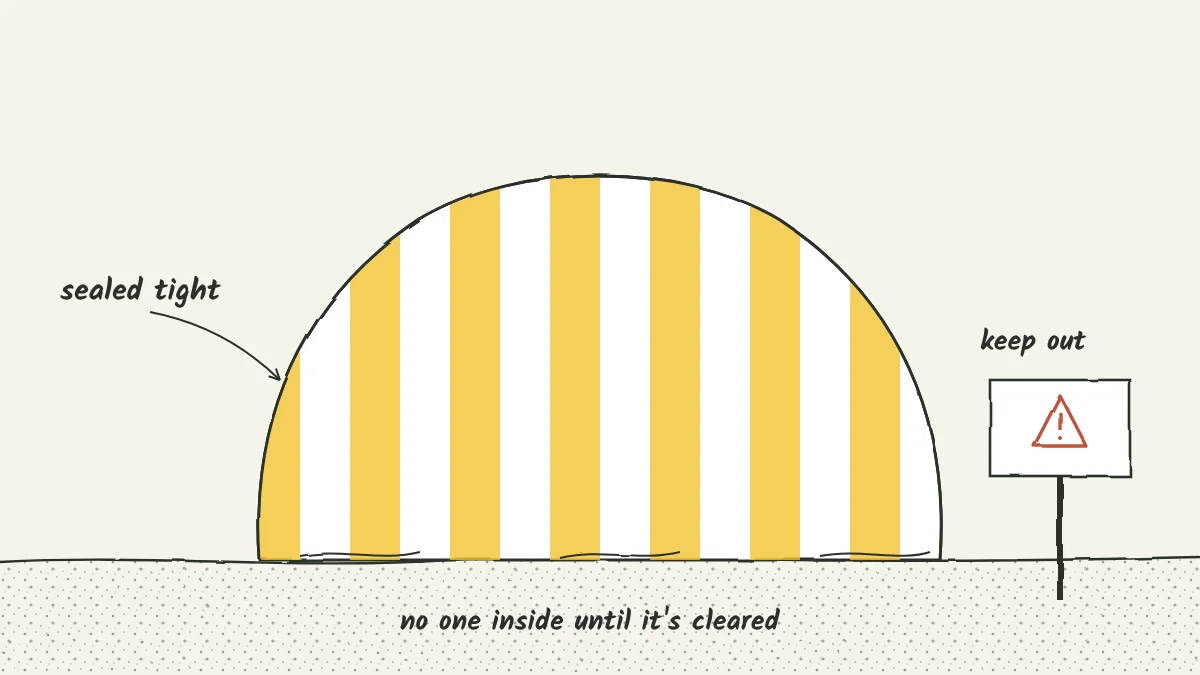 Termite Tenting (Fumigation): What Happens and Is It Safe?
A circus tent over the house is the most dramatic thing in pest control, and the most misunderstood. Here's what the gas does and doesn't d…
-
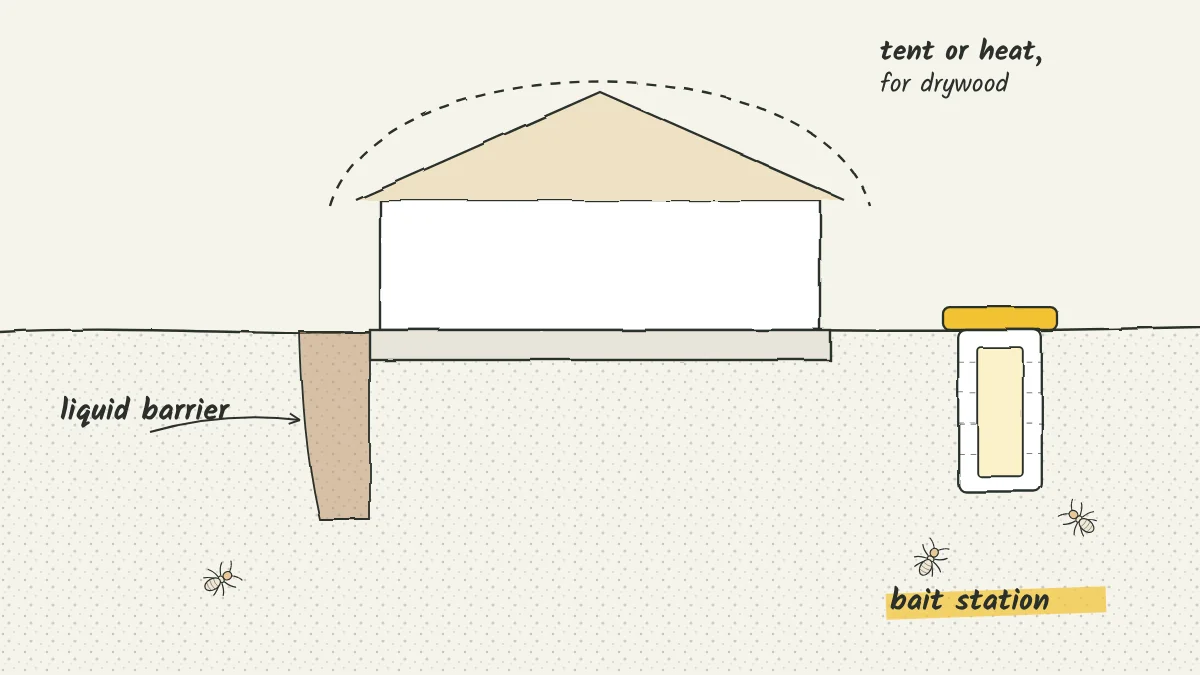 Termite Treatment Options Compared
There's no single best termite treatment. There's the right one for your termite and your house, and a few that get sold to people who didn…
Questions people ask
What is the best termite treatment?
There isn't one best treatment. Liquid barriers and bait systems are the main options for subterranean termites; tenting, heat and local treatments are for drywood termites. The best one fits your termite, your house and your budget.
Can I treat termites myself?
Small, reachable drywood colonies sometimes, yes. Whole-house subterranean treatments take equipment and products that many states restrict to licensed applicators, so most homeowners hire them out.