Termite Damage Repair Cost
Treating termites is a known, bounded cost. Fixing what they ate isn't, because it depends entirely on which wood they found. A chewed window trim and a chewed sill plate are both "termite damage," and they're thousands of dollars apart. Here's what the 2026 price guides say, piece by piece.
The short version
HomeAdvisor's 2026 guide puts typical termite damage repair at about $600 to $3,000, with severe structural damage around $6,000. Structural pieces cost much more: floor joist repair runs about $1,100 to $3,900 per job, and sill plate replacement can run $15,000 to $30,000 when the house has to be lifted. Treat the termites first, then repair.
On this page
Typical termite repair costs by job
National ranges from 2026 price guides. Your local prices can land outside them.
Smaller cosmetic repairs, like patching drywall, run much less; a 2023 guide citing Angi put drywall patches at about $50 to $75 per hole.
Why the range is so wide
Termites follow moisture and soft wood, so the damage can be anywhere from a strip of baseboard to the beams holding up the floor. The price follows the wood, not the termite.
- Trim, baseboards and drywall are cosmetic. A carpenter can replace them in a day, and the cost is mostly labor.
- Subfloor and flooring cost more, especially if finished floors have to come up to reach it.
- Joists and beams are structural. They can often be sistered, with a new board bolted alongside the damaged one, which is usually cheaper than full replacement.
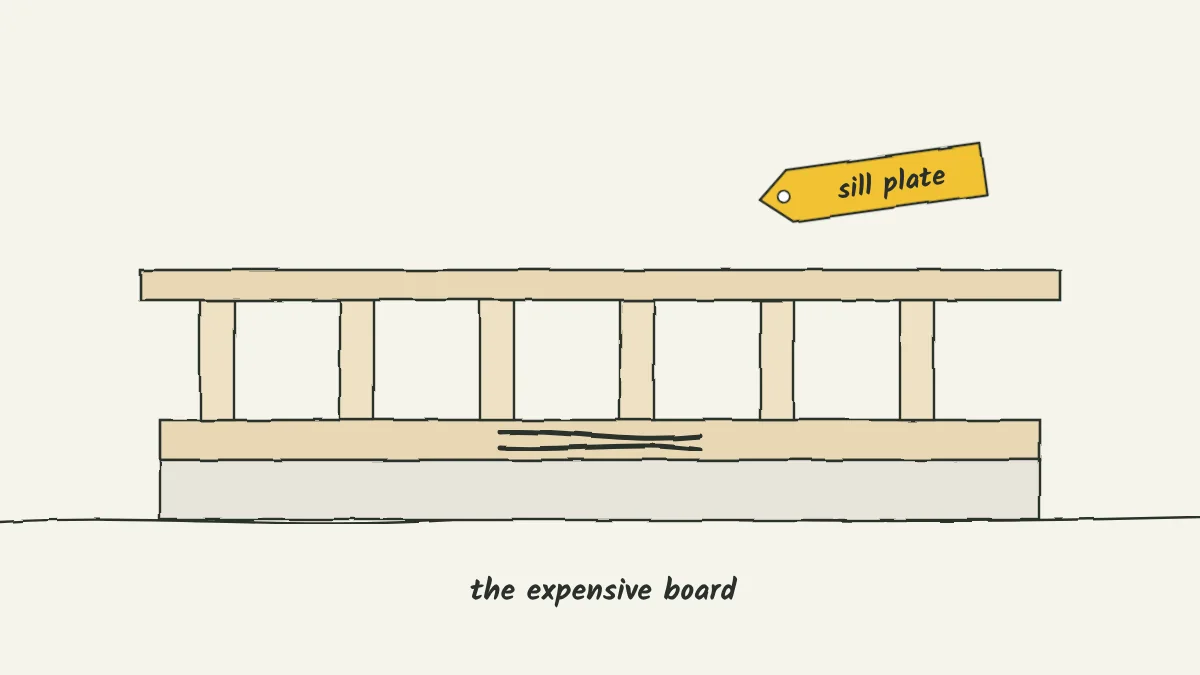
- Sill plates, the boards that sit on the foundation and carry the walls, are the expensive one. HomeAdvisor's 2026 guide explains why: the house may have to be jacked up to replace them, and it lists house lifting at about $15,000 to $21,000 on its own.
The extras on a big repair
Structural repairs come with costs beyond the carpentry. From HomeAdvisor's 2026 sill plate guide unless noted.
| Item | Typical cost | When you need it |
|---|---|---|
| Structural engineer | About $517 on average (2023 guide citing Angi) | Any damage to load-bearing wood |
| Building permit | $150 to $2,000 | Most structural work |
| Foundation inspection | $600 to $3,000 | When sill or foundation damage is suspected |
| House lifting | $15,000 to $21,000 | Sill plate replacement on many houses |
| Sill plate, per foot | $100 to $120 per linear foot | Partial sill replacement |
Location matters a lot. HomeAdvisor's 2026 sill plate guide shows a California average of about $31,830 against about $20,370 in Texas.
Do it in this order, and pay once
-
Confirm what's active
Make sure the termites are identified and still active. Texas A&M notes you can't tell the age of wood damage just by looking, so a pro should confirm live termites before you treat.
-
Treat first
Repairing before treatment invites the colony back into new wood. If you're filing a complaint or warranty claim, don't repair until the company or state has inspected.
-
Find the water
Leaks and soil against the house feed termites and rot alike. Fix them before you close the walls back up. See termite damage vs water damage.
-
Get a structural opinion
If joists, beams, sills or posts are involved, get a contractor's or engineer's assessment, not just the termite company's.
-
Get repair quotes in writing
Compare sistering against replacement, and ask whether permits are included.
-
Keep the paper
Photos before and after, invoices and the treatment record all matter for warranty claims, the next inspection and the next sale.
Who pays?
Usually you do. Homeowners insurance generally treats insect damage as an exclusion, as the Texas insurance department's consumer guide makes clear. See does insurance cover termite damage. The IRS doesn't help either: it treats termite damage as progressive deterioration, not a deductible casualty loss (is termite damage tax deductible).
The exceptions are contracts. A repair warranty pays for new damage under its terms and limit, and in a home purchase, repairs can be negotiated with the seller. If you're under a retreatment-only contract, the company retreats and the carpentry is yours. The differences are in repair vs retreatment termite warranties.
Before you repair termite damage
Do
- Treat the termites before any repair
- Get a structural opinion on joists, beams and sills
- Compare sistering with full replacement
- Fix the moisture source while the walls are open
Don't
- Repair before a warranty or complaint inspection
- Assume insurance will pay
- Close up a wall without photographing what you found
- Let the termite company be the only one assessing structural damage
Questions people ask
How much does it cost to repair termite damage?
HomeAdvisor's 2026 guide puts typical repairs at about $600 to $3,000, with severe structural damage around $6,000. Structural jobs can cost much more: floor joist repair averages about $2,155 per job, and sill plate replacement can reach $15,000 to $30,000.
Is termite damage expensive to fix?
It depends on what was eaten. Trim, baseboards and drywall are relatively cheap. Joists, beams and especially sill plates are expensive, because they're structural and may require jacking up the house.
Should I repair termite damage before or after treatment?
After. Treat the termites first so new wood isn't attacked, and if you have a warranty claim or complaint, let the company or state inspect before you repair anything.
Does homeowners insurance pay for termite damage repair?
Usually not. Texas's insurance department, for example, says policies won't pay for repairs when insects chew on your house. A repair warranty from a termite company is the main way repairs get covered.
Keep reading
Termites in your state
Sources
- HomeAdvisor: Termite treatment cost, including damage repair (updated June 2026)
- HomeAdvisor: Sill plate replacement cost (updated June 2026)
- Homeyou: Floor joist repair cost (updated September 2026)
- Bob Vila, citing Angi: Termite damage repair cost (2023)
- Texas A&M AgriLife Extension: Subterranean termites (E-368)
- Texas Department of Insurance: What your home policy won't cover
- IRS Publication 547: Casualties, disasters, and thefts