Does Homeowners Insurance Cover Termite Damage?
Most homeowners find out the hard way: the insurance policy that covers a fallen tree doesn't cover the termites that hollowed it out of the wall. There's one narrow exception worth knowing, and a better way to protect yourself than an insurance claim.
The short version
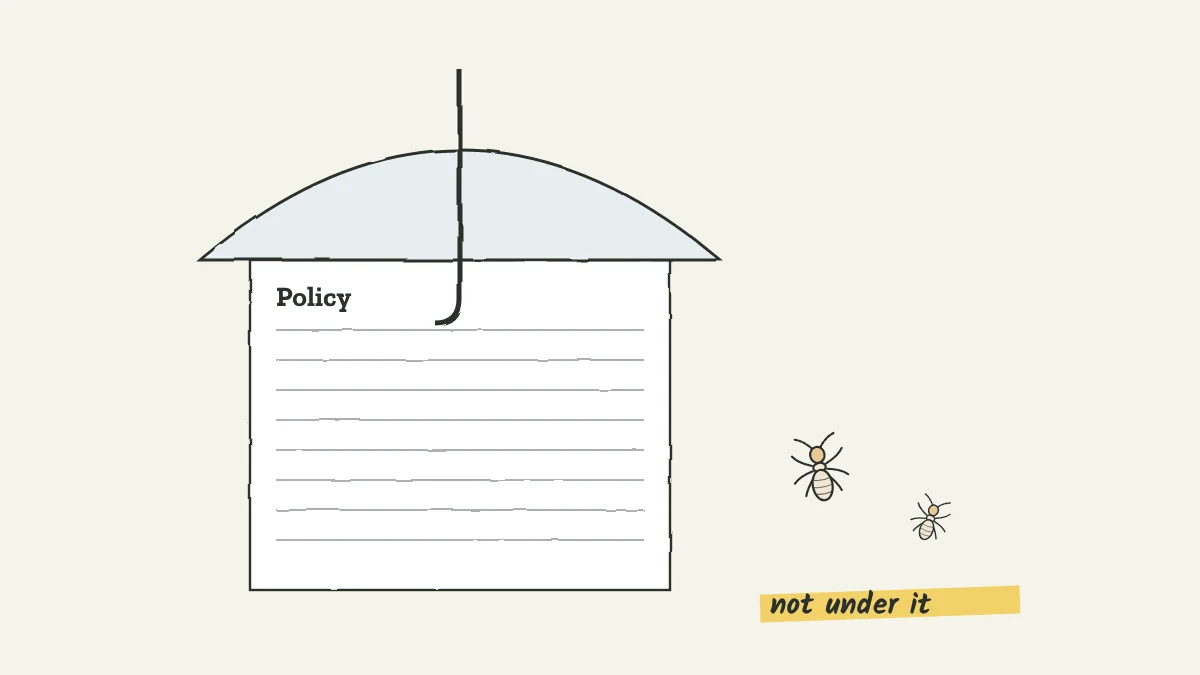
Usually not. Standard homeowners policies exclude damage from insects and from gradual wear and deterioration, and termite damage is both. Texas's insurance department says that if insects chew on your house, your policy won't pay. The main exception is coverage for a sudden collapse caused by hidden insect damage, where a policy includes it. A termite bond with repair coverage is the usual protection.
On this page
Why termite damage isn't covered
Homeowners policies are built to pay for sudden, accidental losses: fire, wind, a burst pipe. They're not built to pay for things that happen slowly or that maintenance could prevent. Termite damage runs into two separate exclusions.
- Insects. The Texas Department of Insurance's summary of the state's homeowners forms lists "termites, insects, rats, or mice" among general exclusions on a named-perils policy and "mice, insects, and other pests" among the typical exclusions on an all-risk policy. Its plain-English version for consumers: "If rodents and insects chew on your house, your policy won't pay for the repairs."
- Wear and tear. TDI also says companies won't pay for damage that happens over time, like rotted boards. Termite damage builds up over years.
The IRS treats termite damage the same way, as progressive deterioration rather than a sudden event, which is why it isn't a deductible casualty loss either. See is termite damage tax deductible.
The collapse exception
There's one place termites can show up in a covered claim: collapse. Many homeowners policies include an additional coverage for collapse of a building or part of a building caused by specific listed causes, and one commonly listed cause is hidden insect or vermin damage. A property insurance law blog quoting that kind of provision notes that when insect damage is hidden and causes a building or part of one to collapse, coverage may apply.
The details matter, and they're narrow:
- It covers the collapse, not the termites. A trade analysis of a named-perils policy described a case where hidden termite damage caused a collapse: the collapse was covered, but the termite damage to sill plates and joists wasn't.
- "Hidden" is the operative word. Damage you already knew about is unlikely to count as hidden.
- "Collapse" is defined by the policy. Each policy uses its own wording, and some definitions are strict. Read yours before you assume a sagging floor qualifies.
If part of your house actually falls because of hidden termite damage, call your insurer. For everything short of that, don't count on it.
What usually is and isn't covered
A general guide only. Your policy's exact wording decides; read it, and ask your agent.
| Situation | Usually covered? | Why |
|---|---|---|
| Termite damage to framing, floors or trim | No | Insects and gradual deterioration are excluded |
| Termite treatment | No | Maintenance, not a covered loss |
| A sudden collapse caused by hidden termite damage | Possibly | Some policies cover collapse from hidden insect damage |
| Storm damage that exposes hidden termite damage | Storm part possibly; termite part no | The storm is sudden; the termite damage isn't |
| Water damage from a sudden burst pipe in a termite-damaged wall | Water part possibly | Sudden water damage is a separate question from the termites |
Policies vary by insurer and state. The Texas forms above are one example; check your own declarations page and exclusions.
What actually protects you
If insurance won't pay, three things will do more for you than any claim:
- A termite bond with repair coverage. It's the closest thing to termite insurance, sold by termite companies, not insurers. Check the repair limit and exclusions. See repair vs retreatment termite warranties.
- Regular inspections. Termite damage is cheap to fix when it's small. Annual inspections are standard with most termite contracts.
- Prevention. Fixing leaks, keeping soil and mulch off the siding and keeping wood away from the soil cost little. See how to prevent termites.
What repairs cost when prevention fails is in termite damage repair cost.
Termites and your insurance
Do
- Read your policy's exclusions and any collapse coverage
- Call your insurer if part of the house actually collapses
- Keep a termite contract with repair coverage if you're in high-pressure country
- Separate storm or water damage from termite damage in any claim
Don't
- Expect your homeowners policy to pay for termite repairs
- Confuse a termite bond with an insurance policy
- Delay repairs on known damage; known damage won't count as hidden later
- Skip inspections because you think insurance has you covered
Questions people ask
Does homeowners insurance cover termite damage?
Usually not. Standard policies exclude insect damage and gradual deterioration. Texas's insurance department puts it simply: if insects chew on your house, your policy won't pay for the repairs.
Is there any way insurance pays for termite damage?
Possibly, if hidden insect damage causes a sudden collapse and your policy includes collapse coverage for that cause. Even then, coverage is typically for the collapse, not for the termite damage itself.
Is a termite bond the same as insurance?
No. A termite bond is a service contract with a termite company. A bond with repair coverage can pay for new termite damage within its limits, which a homeowners policy usually won't.
Does insurance cover termite treatment?
No. Treatment is considered maintenance, not a covered loss. If you have a termite contract, retreatment may be included under it.
Keep reading
Termites in your state
Sources
- Texas Department of Insurance: What your home policy won't cover (2025)
- Texas Department of Insurance: Texas homeowners policies (2018)
- Property Insurance Coverage Law Blog: Is termite damage covered? (2022)
- PropertyCasualty360 (FC&S): Collapse coverage on a homeowners policy (2008)
- IRS Publication 547: Casualties, disasters, and thefts